
Deck Staining & Sealing in New Bedford, MA
Decks, porches and pergolas power washed, then stained and sealed, so the wood looks cared for again and has protection going into the next season.
Power washing, stain and sealant, for homes and businesses across Massachusetts and Rhode Island.
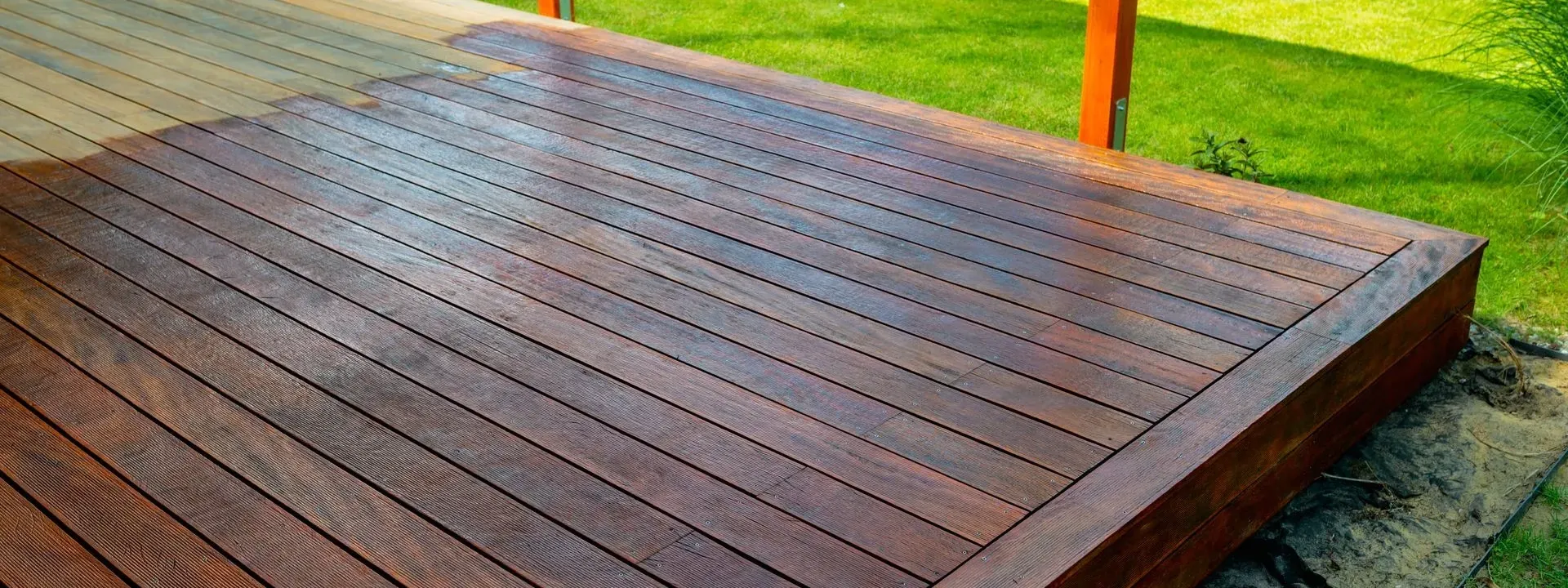
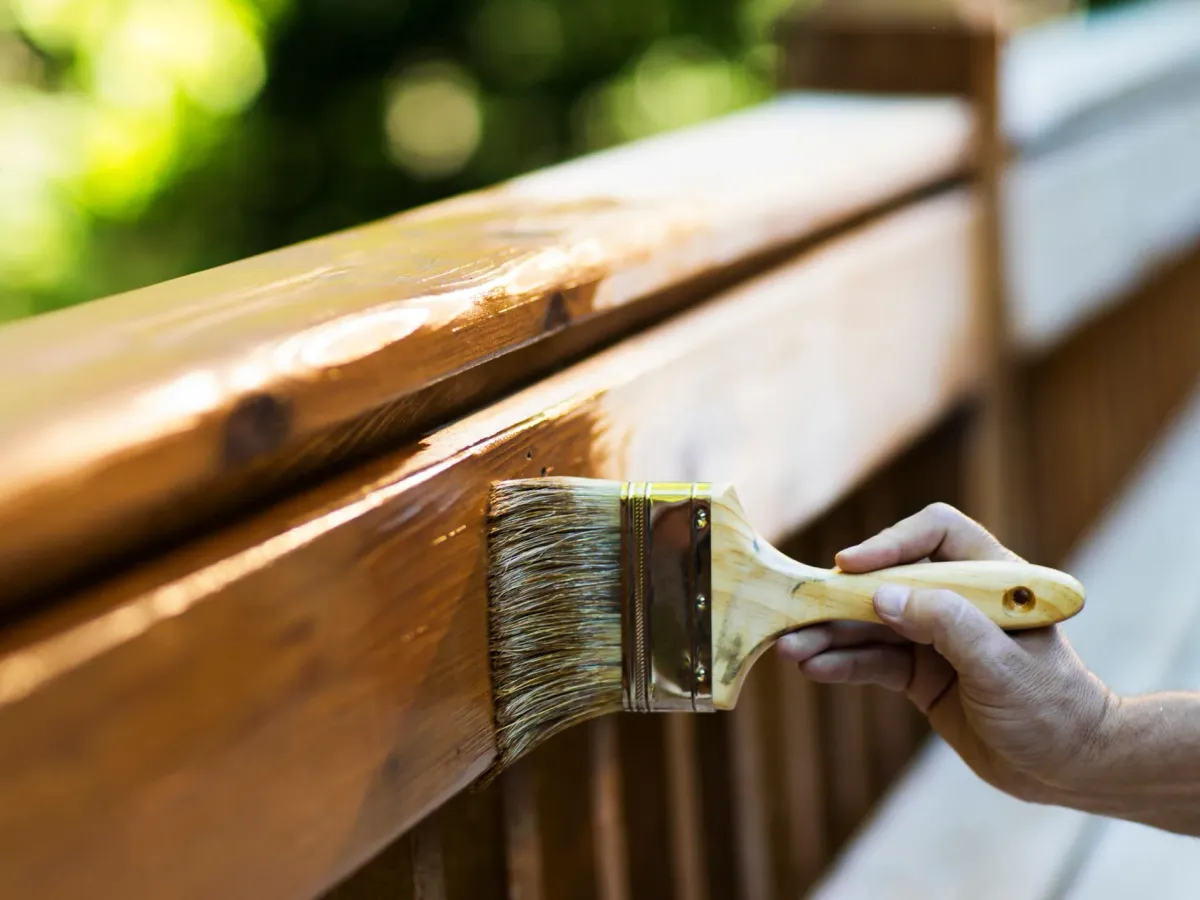
Decks, porches and pergolas
Outdoor wood takes more punishment than anything else on a house. A deck lies flat under the sun, holds rain and snow, and here it gets the salt air too. Left alone, it goes grey, dries out, and starts to crack and splinter.
We clean, stain and seal decks, porches and pergolas: the boards, the rails, the stairs and the posts. The aim is wood that looks good again and is protected from the weather, whether it's a small back porch or a big deck that gets used all summer.
- Decks
- Porches
- Pergolas
- Rails, stairs and posts
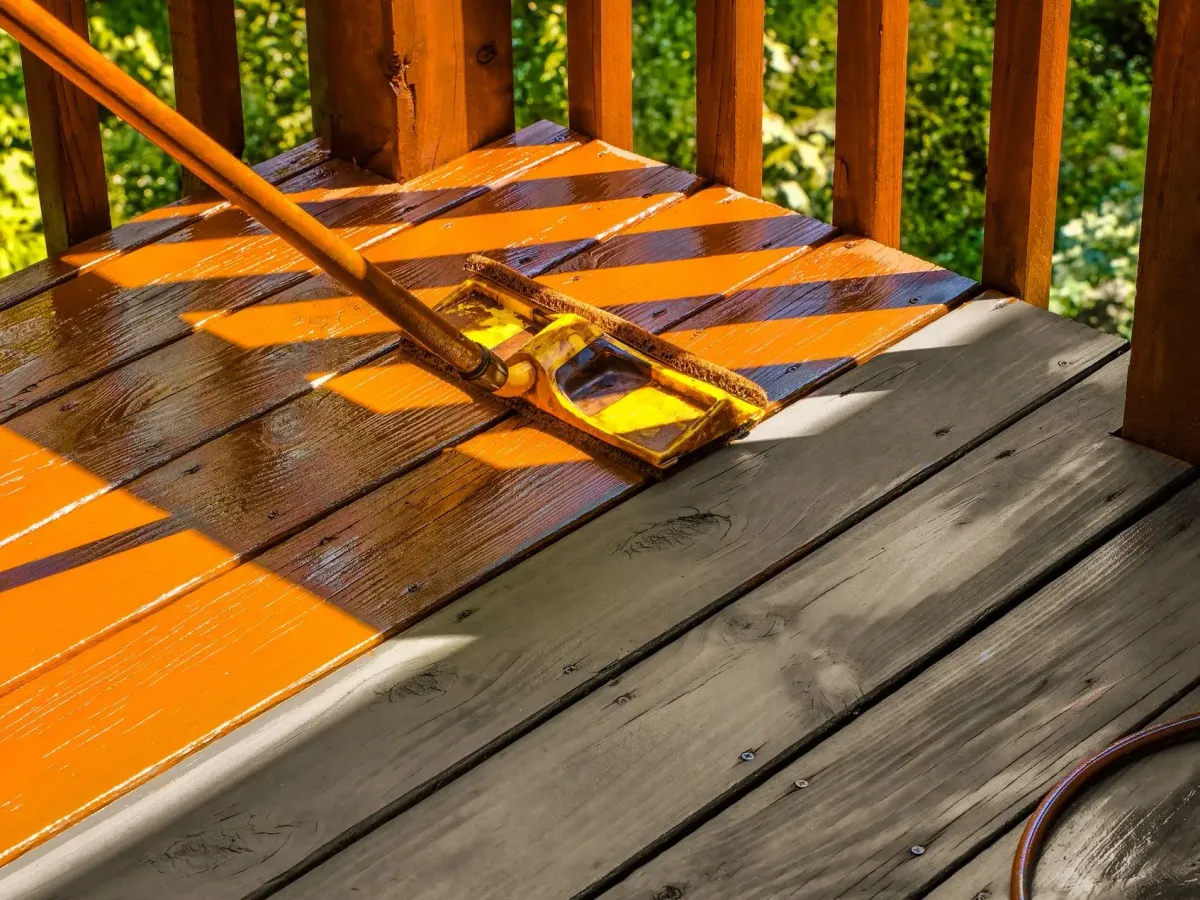
Power wash first, then stain and seal
Stain can only soak into wood that's clean and open. Put it over dirt, mildew or an old failing finish and it sits on top, looks blotchy and wears off unevenly. So every deck job follows the same order:
- Power wash. Dirt, mildew and loose old finish washed off, so the wood is clean and open again.
- Let it dry. Wood has to be dry before stain goes on, so the staining waits until it is.
- Stain and seal. Stain and sealant applied evenly across the boards, rails and stairs, worked into the wood rather than left on top.
- Clean up. The area around the deck left clean, and the deck ready to use once it has dried.
Power washing takes judgement too: enough pressure to clean the wood, not so much that it tears up the grain.
Stain, sealant, or both?
They do different jobs. A sealant is about water: it soaks in and keeps rain and snow from getting into the wood, which is what leads to rot, swelling and cracking. Stain adds colour, and the pigment in it also shields the wood from the sun, which is what turns bare wood grey.
Stains come in different strengths of colour. A clear or transparent finish shows the most grain but gives the least protection from the sun. A semi-transparent stain tints the wood and still lets the grain show through. A solid stain covers like paint: the grain disappears, and it hides older, uneven wood well.
Which is right depends on the wood, its age and what's on it now. A deck that has been solid-stained can't simply go back to a clear finish without being stripped first. Jorge will tell you what your deck can take when he sees it.
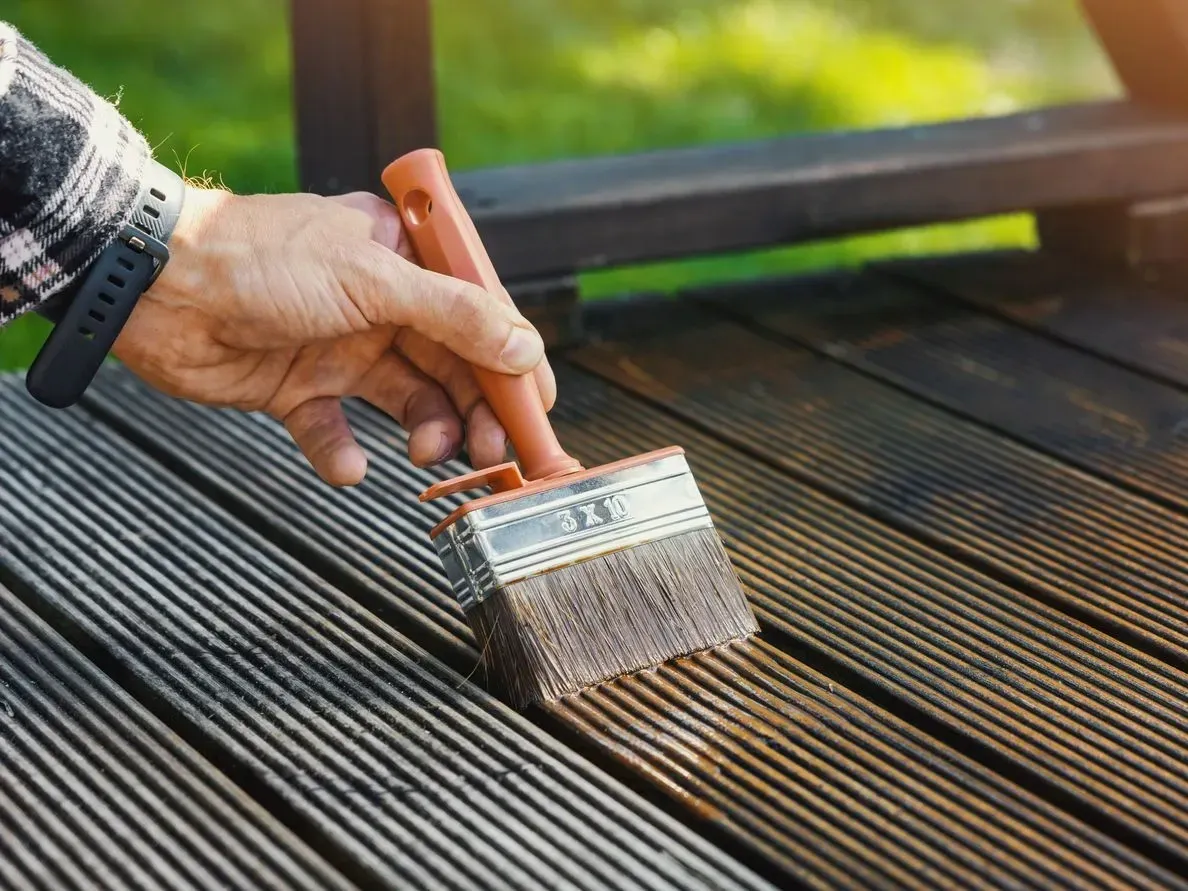
Signs your deck needs attention
Most decks give plenty of warning. Look for these:
- Water soaks in: sprinkle some water on the boards. If it beads up, the finish is still working; if it soaks in and darkens the wood, it's time to reseal.
- Grey, faded wood: the sun has broken down the surface, and the wood needs cleaning and fresh protection.
- Peeling or patchy finish: old stain or sealer flaking off, or worn through where people walk.
- Cracks and splinters: dry wood checks and splinters. Catching it early keeps small problems small.
- Dark spots and mildew: green or black patches in shady corners, which need cleaning off before anything new goes on.
- Soft spots: boards that feel spongy underfoot may be rotting. Mention them when you call: they need looking at before anyone stains over them.
When to stain a deck
Stain and sealant need a dry surface and a few dry days, and most products list a minimum temperature on the can. In New England that usually means late spring through early fall, with the schedule set around the forecast.
Brand-new pressure-treated wood is a special case: it usually needs time to dry out before it will take stain. If your deck is new, ask Jorge when it will be ready.
If you'd like the deck done before a particular date, say so when you call, and the work can be planned around the weather. Porch floors and deck surfaces that need boards replaced are covered on Flooring, and the rest of the house on Exterior Painting.
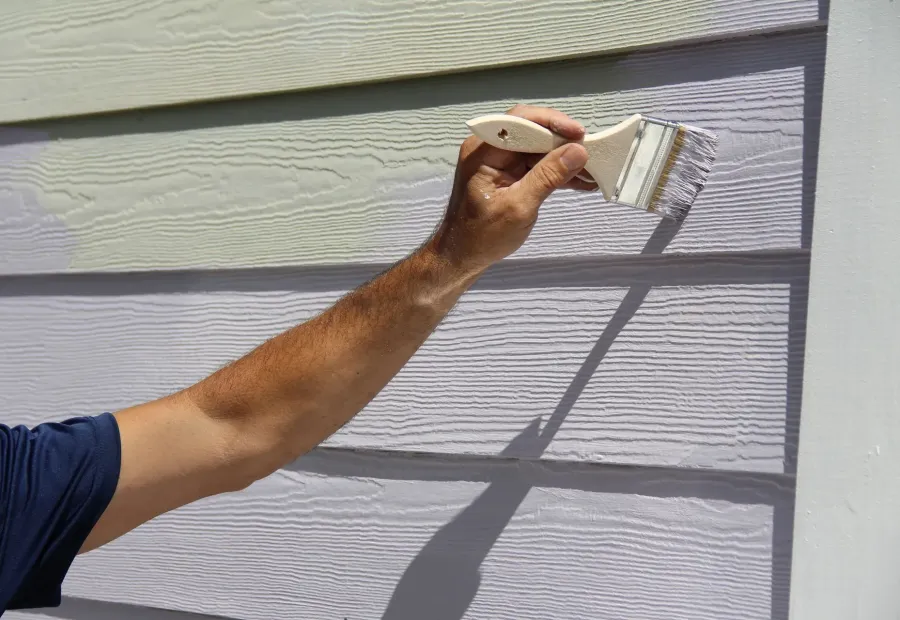
Exterior Painting
Scraping, wood repair and pressure washing, then brush or spray application — including weathered, coastal surfaces.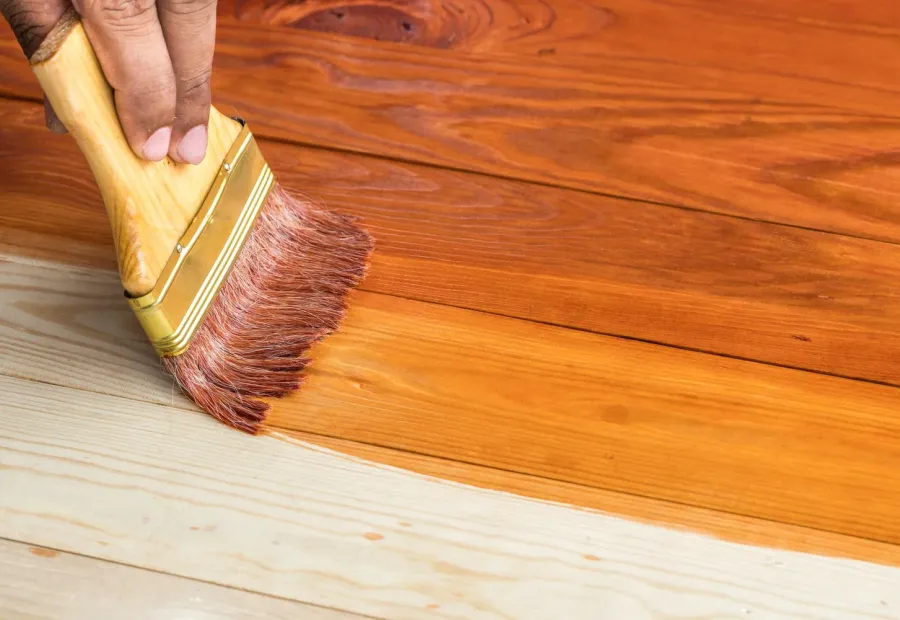
Flooring
All types of flooring, inside and out: hardwood sanding and refinishing, laminate, and porch, patio and deck surfaces.
Masonry
Chimneys, steps and stoops, retaining and garden walls, patios and walkways, and brick and stone repair and repointing.
Tell Jorge about the deck
A few details are enough to start. Jorge will get back to you about the next step: a quick look at the job if it needs one, then a price and a date.
- Free quotes
- Homes and businesses
- New Bedford and across MA & RI
Frequently Asked Questions
What’s the difference between deck staining and deck sealing?
A sealer is basically clear and keeps water out, leaving the wood color showing. A stain adds pigment, and that pigment is what blocks UV. UV is what turns deck boards grey and breaks them down over time. So a clear sealer on a sunny deck will keep rain off for a while, but the wood will still go silver. Which one suits your deck depends on how much sun it gets, what it’s built from and how you want it to look. We’ll talk through both.
How often should a deck be re-stained in New England?
More often than people expect, because our weather is rough on anything laid flat. Freeze and thaw cycles, wet winters, summer sun and salt air near the coast all work on the same boards. Most decks need attention every two to three years. Railings and vertical surfaces hold up longer than the boards you walk on. The simplest test is to pour some water on it. If it soaks straight in instead of beading up, the finish has quit and the wood is taking on water.
Can you stain a brand new pressure treated deck right away?
Usually not right away. New pressure treated lumber is still holding a lot of moisture from the treatment, and stain put on too early won’t soak in or stick properly. How long you wait depends on the lumber, the weather and where the deck sits. Material that’s been kiln dried after treatment is a different story. If you’ve just had a deck built in New Bedford or anywhere in Rhode Island, call and tell us what was used. We’ll let you know whether it’s ready.
What happens if my old stain is peeling?
Peeling means the old finish has let go, and anything you put on top of it will come off when it does. So failing finish has to come off first, by stripping, sanding or both. This one step is the difference between a deck that still looks good three years later and one that’s patchy by the next summer. It’s also the step most often skipped. We regularly see decks with two or three failed coatings sitting on top of each other.
When is the right time of year to stain a deck in Massachusetts or Rhode Island?
Late spring through early fall, on a run of days with no rain in the forecast and reasonable temperatures. The wood has to be properly dry, not just dry on top after one sunny afternoon following three wet days. Staining in the middle of a hot day causes its own trouble, because the finish can dry off before it soaks in. We keep an eye on the forecast and we’ll move a date rather than stain into weather that ruins the result.
Got something that needs painting?
Call Jorge and tell him what you have in mind. You'll get a straight answer on what the job needs and when he can do it.