
Exterior Painting in New Bedford, MA
Siding, trim, doors and porches, scraped, repaired, washed and painted with the weather here in mind: salt air, strong sun and New England winters.
Scraping, wood repair, pressure washing and spray work, on houses and larger buildings across MA and RI.
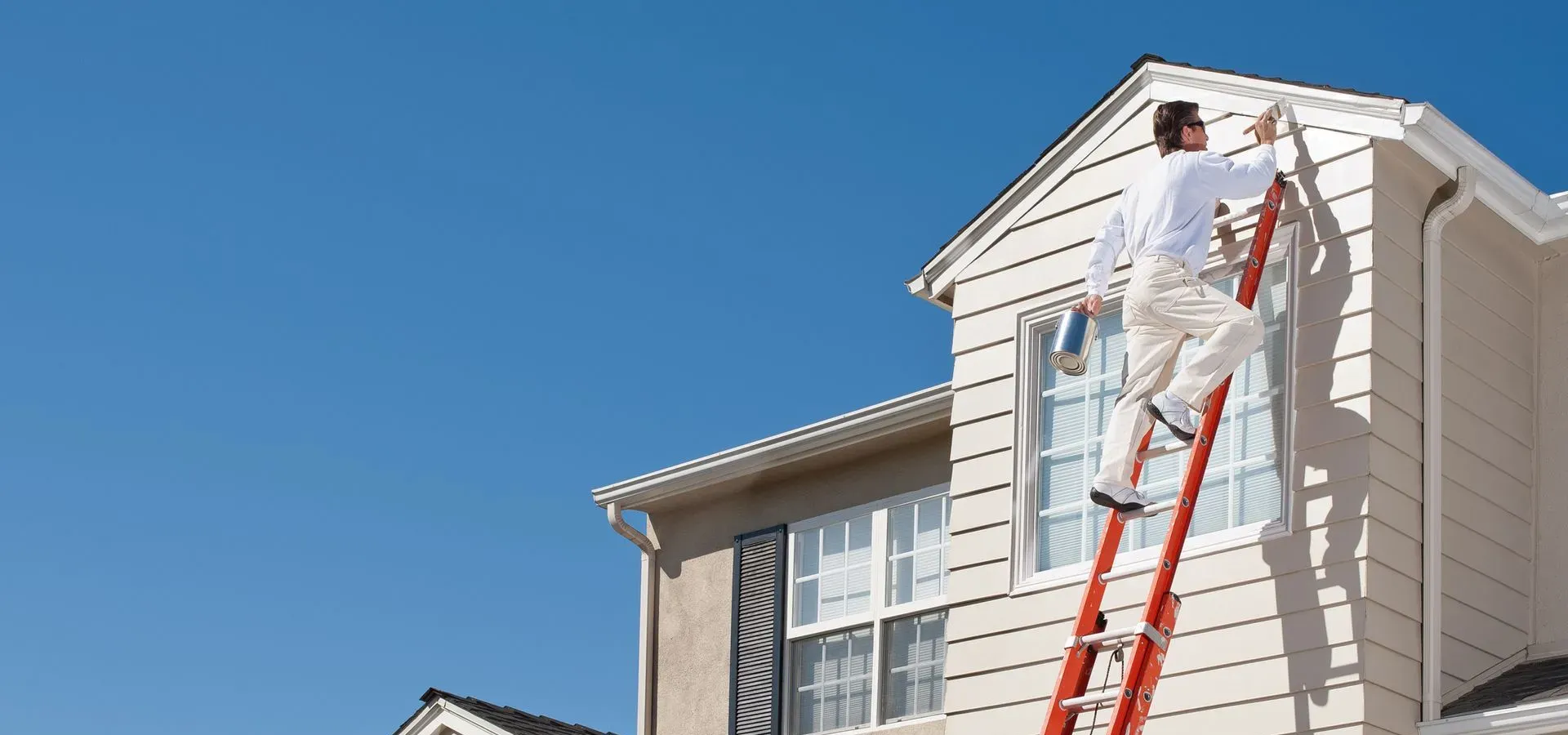
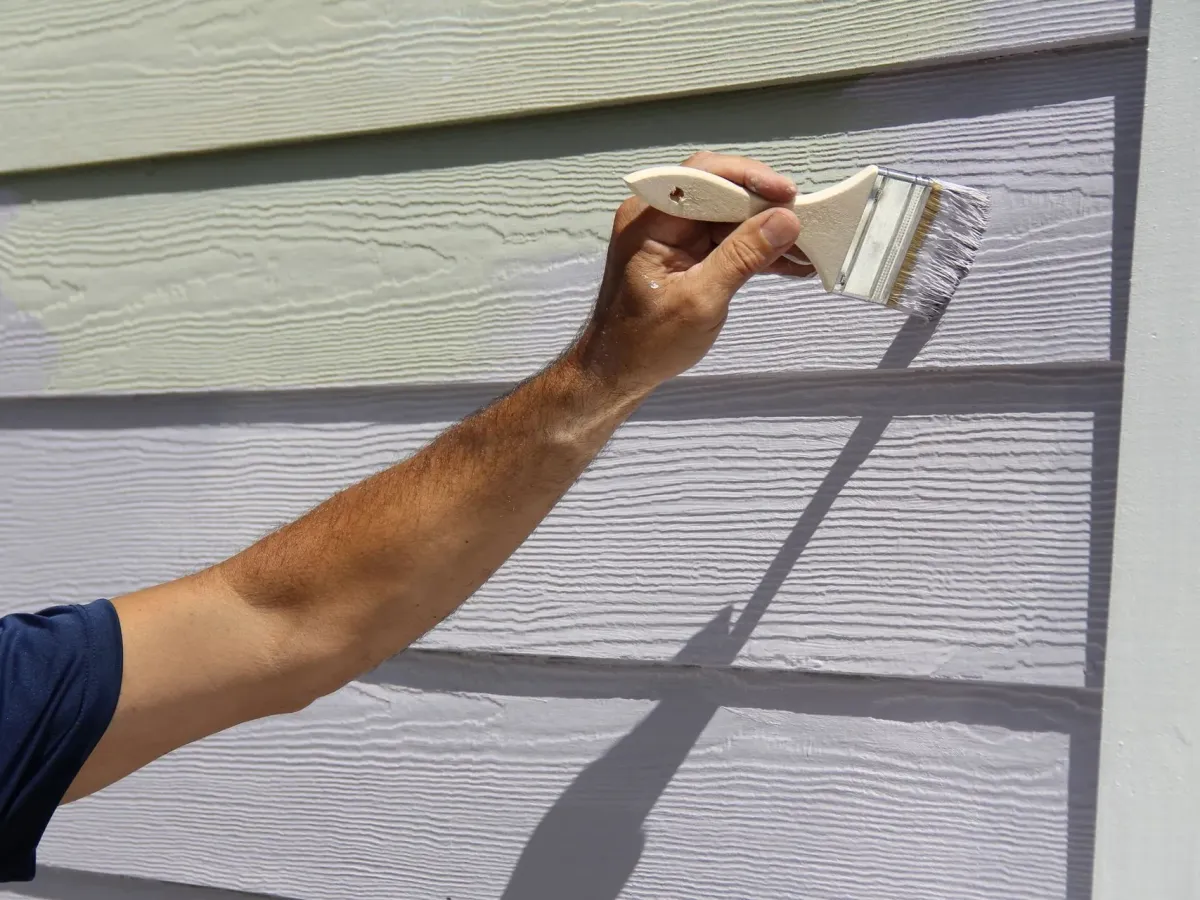
Paint that has to face the coast
Exterior paint in New Bedford has a hard life. Salt air off Buzzards Bay, strong summer sun and freeze-thaw winters all work on a house at once. Wood swells and shrinks, old paint cracks and lifts at the edges, and once water gets in behind it, the peeling spreads.
So an exterior job here is judged by what happens to the old surface before anything new goes on. Paint over loose, chalky or damp paint and the new coat fails along with it, often sooner than anyone expects. Paint over sound, clean, primed wood and it has a real chance to last.
That's why the prep on an exterior can take as long as the painting itself, and why it's the part we don't hurry.
Scraping, repairs and a proper wash
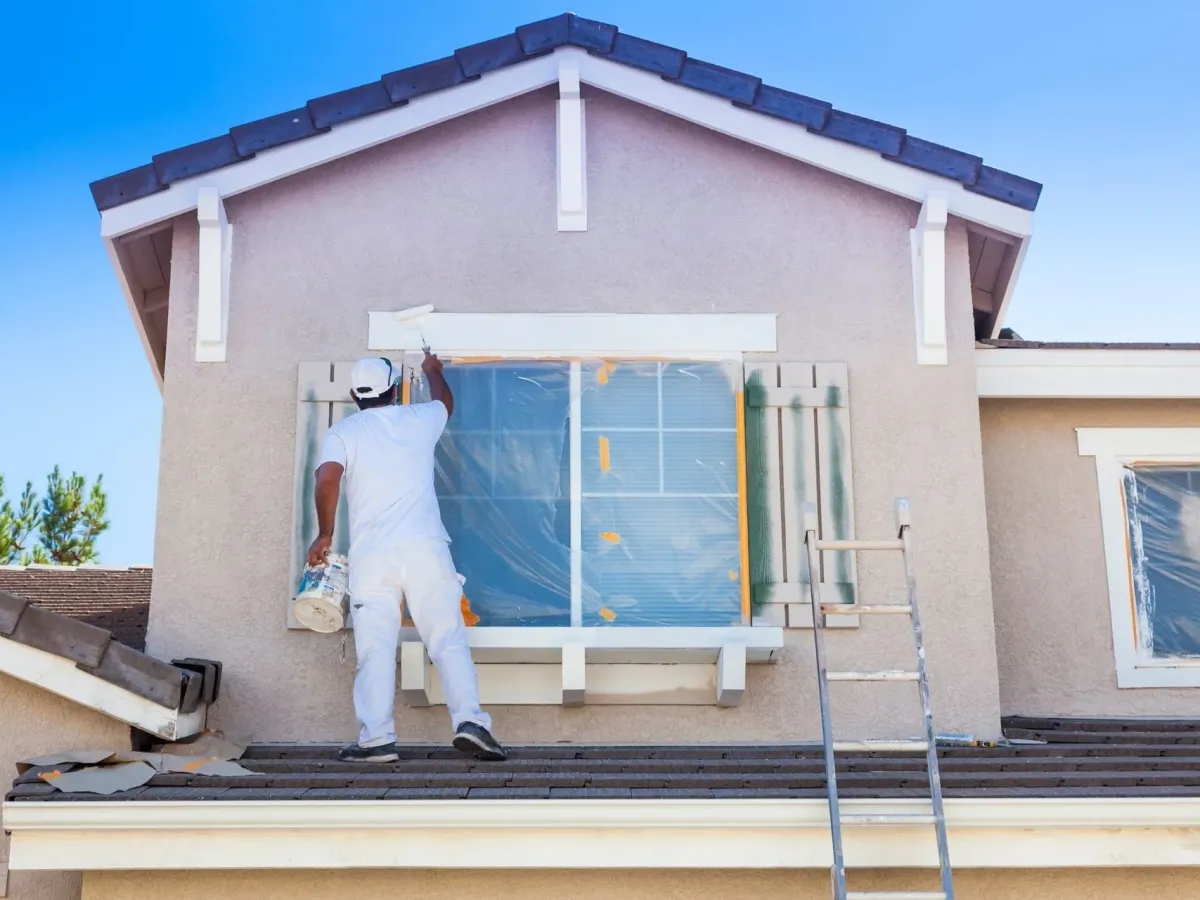
Every exterior starts with a close look at the surface, then the work to get it ready. What that involves depends on the house, but it usually means some or all of this:
- Pressure washing: takes off dirt, salt and chalky old paint, so the new coat bonds to the surface and not to the grime on it.
- Scraping and sanding: loose and peeling paint scraped back to a sound edge, and the edges sanded so the new paint lies flat.
- Wood repair: soft, split or rotted wood repaired or replaced before it's painted, not hidden under a fresh coat.
- Priming: bare wood and repairs primed, so the finish coats go on even and hold.
Then the paint goes on, by brush and roller or by spray, depending on the surface.
Brush or spray, timed to the weather
Trim, doors and detailed woodwork are usually best done by brush. Big, open walls and weathered siding often suit a sprayer, which gets paint into the grain and the gaps of rough wood. Spray work takes planning, though: everything that isn't being painted has to be covered, and it needs calm, dry weather, especially near the water.
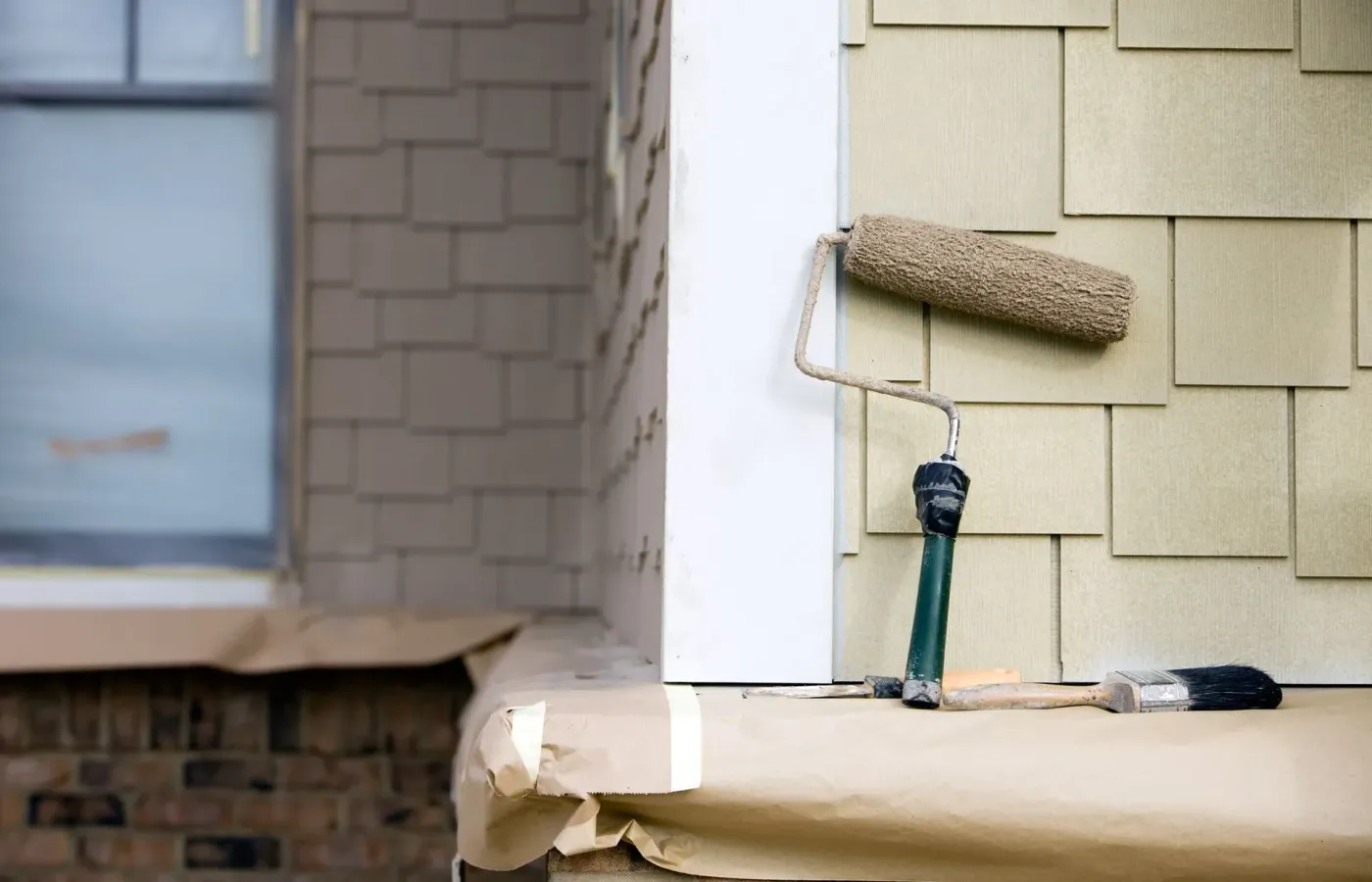
Paint also needs the right conditions to dry and cure: not too cold, not too damp, and no rain on fresh paint. On a coastal job the schedule is built around the forecast. Clint Clemens hired us for a very large exterior along the coast, and this is how he described it:
Jorge and his crew are excellent. Super responsive, very high quality, excellent service, prompt, and reasonable. I had a very large project that required difficult outdoor spraying conditions along the coast. They worked with me to time the weather perfectly. Not a drop over sprayed. And the additional detail work on weathered surfaces was exceptional. Use them!
Victorians and older homes
Plenty of New Bedford houses are over a hundred years old, with layer upon layer of paint on them. Older homes often need more than a repaint: clapboards and trim that have rotted in places, window frames that need attention, and old layers of paint failing underneath the top coat.
On those jobs the repairs come first, and the details get respect: the trim, the brackets and the shapes that make an old house what it is. Carol Kolek's Victorian needed exactly that:
We had the good luck to work with Jorge and the Yes We Can crew on a major exterior project on our Victorian home. The outside badly needed repairs, paint scraping and painting. All the work was carefully and skillfully done. Jorge listened to what we wanted done, answered our questions and attended promptly to any concerns. It's a pleasure to recommend Jorge and Yes We Can.
Larger and commercial buildings
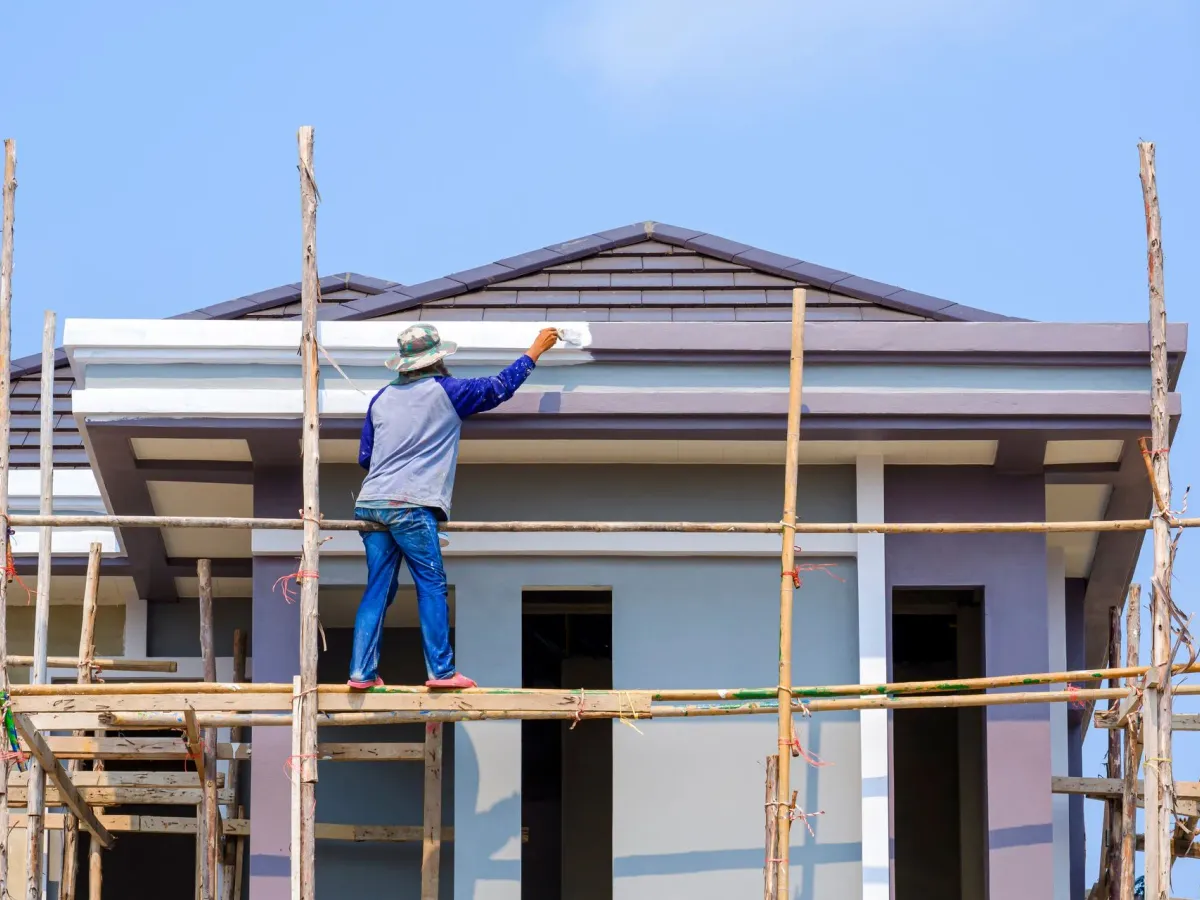
We paint businesses as well as homes: shop fronts, offices and larger buildings. A bigger exterior gets the same prep and the same care, plus more planning: the order the walls are done in, keeping entrances usable, and timing spray work so nothing nearby gets hit.
If you manage a property or run a business, call Jorge and walk him through it. He'll tell you what the building needs and how the work can be scheduled.
How an exterior job runs
Call Jorge
Describe the house or building and what the paint looks like now. He picks up himself, often on weekends too.
He takes a look
Exteriors usually need a look first: the state of the wood and the old paint decides the work.
A price and a date
You get the quote and a start date, with the weather in mind.
Prep, paint, clean-up
Washing, scraping and repairs, then primer and paint, and the site left clean.
Deck Staining & Sealing
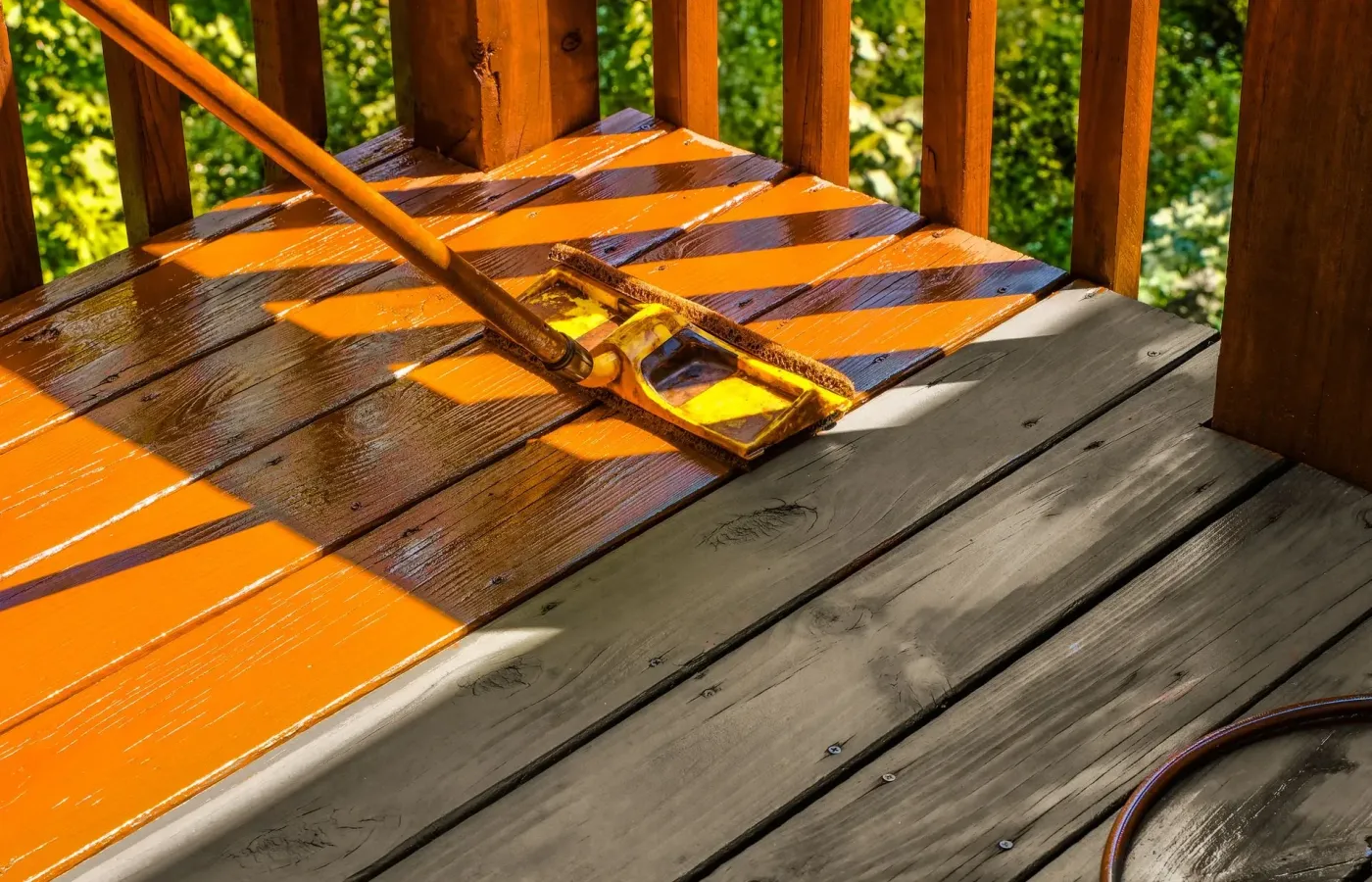
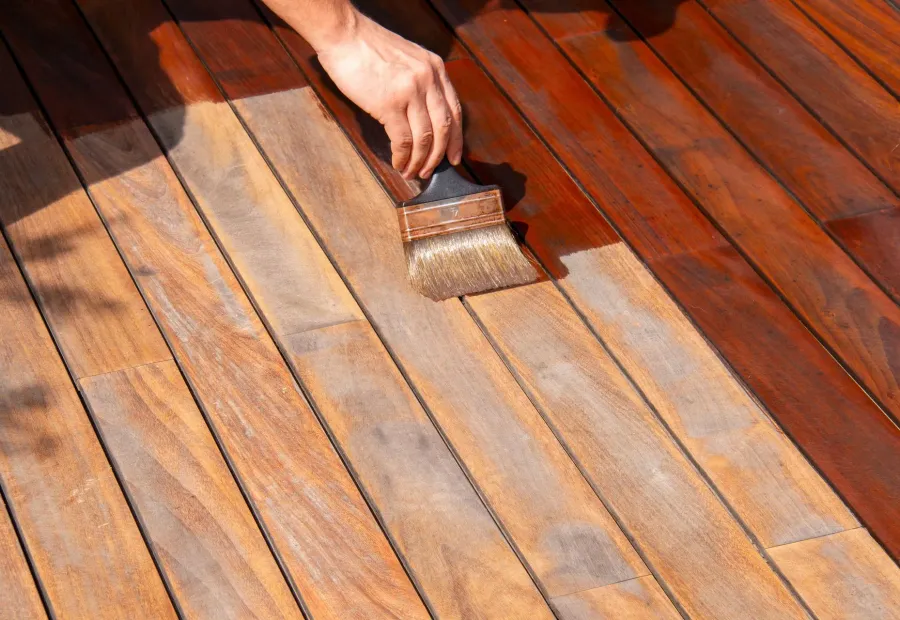
Decks, porches and pergolas power washed, then stained and sealed so the wood is protected for the seasons ahead.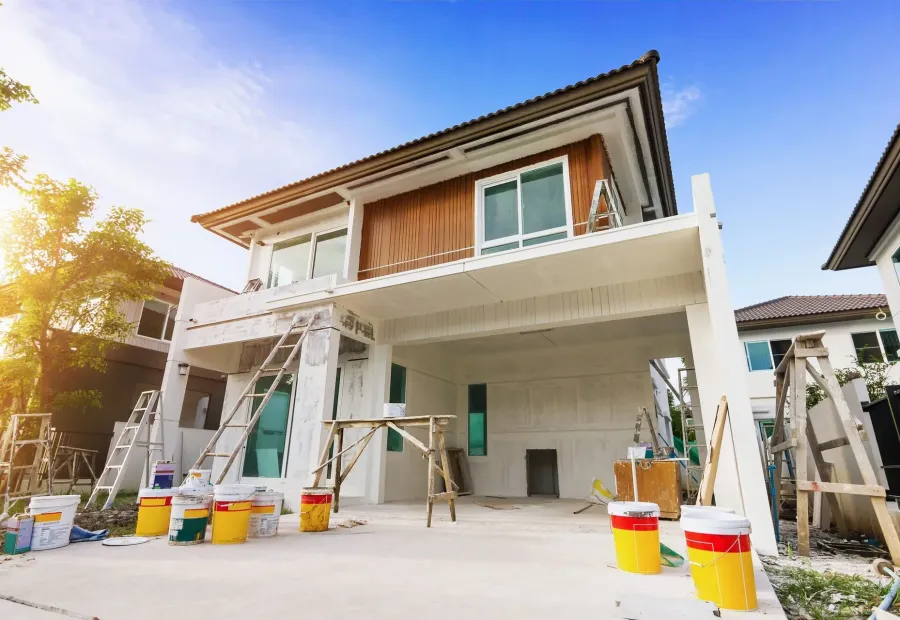
Masonry
Chimneys, steps and stoops, retaining and garden walls, patios and walkways, and brick and stone repair and repointing.
Interior Painting
Walls, ceilings, trim, doors and cabinets. Prep and priming first, then two to three coats with crisp, clean lines.
Tell Jorge about the house
A few details are enough to start. Jorge will get back to you about the next step: a quick look at the job if it needs one, then a price and a date.
- Free quotes
- Homes and businesses
- New Bedford and across MA & RI
Frequently Asked Questions
How does coastal salt air affect exterior paint on the South Coast?
Harder than most homeowners expect. Salt in the air holds moisture against the siding, eats at fasteners and metal trim, and cuts years off a paint job that would hold up much longer inland. Homes along the coast get the worst of it. The answer is in the prep and the product. The surface has to be clean and sound before anything goes on, and the coating has to be chosen for coastal exposure.
What’s the exterior painting season in Massachusetts and Rhode Island?
Broadly late spring through early fall, though the real limit is surface temperature and dew point rather than the date on the calendar. Paint that goes on when the siding is too cold, or late enough in the day that dew settles before it cures, won’t bond no matter how good the product is. We’d rather push a date than paint in borderline conditions. Shoulder season work is often fine on the right wall at the right hour, and Jorge will tell you straight whether your project fits.
Do you pressure wash, scrape, or both before exterior painting?
Usually both. Which one does the heavy lifting depends on what the old paint is doing. Washing takes off dirt, chalking, mildew and salt residue. Scraping and sanding take off paint that’s already let go. Washing on its own over failing paint just gives you a clean surface that’s still going to peel. We look at each side of the house separately, because the weather facing walls on a coastal home are almost always in rougher shape than the sheltered ones.
Can you paint vinyl, aluminum siding and cedar shingles, or only wood clapboard?
All of them, though each one needs a different approach. Vinyl can be painted, but there are real limits on how dark you can go before heat becomes a problem. Aluminum needs the oxidation dealt with and the right primer, or the top coat won’t stick. Cedar shingles and clapboard bring their own issues with moisture and tannin bleed. The usual mistake is treating all four the same. Jorge will tell you what your siding is and what it needs.
My last paint job peeled within two years. What went wrong?
Early peeling almost always comes down to one of three things. Paint went on over a damp or unsound surface, prep was skipped so the new coat bonded to old paint that had already failed, or moisture inside the wall is pushing the paint off from behind. Repainting without working out which one it was tends to get you the same result again. We’d rather find the cause first. Sometimes that means harder prep, sometimes it means fixing a drainage or venting problem before any paint goes on.
Got something that needs painting?
Call Jorge and tell him what you have in mind. You'll get a straight answer on what the job needs and when he can do it.