
Masonry in New Bedford, MA
Chimneys, steps and stoops, walls, patios and walkways, and the brick and stone repairs older buildings need, from the same owner-led crew that paints them.
Brick and stone work for homes and businesses across Massachusetts and Rhode Island.
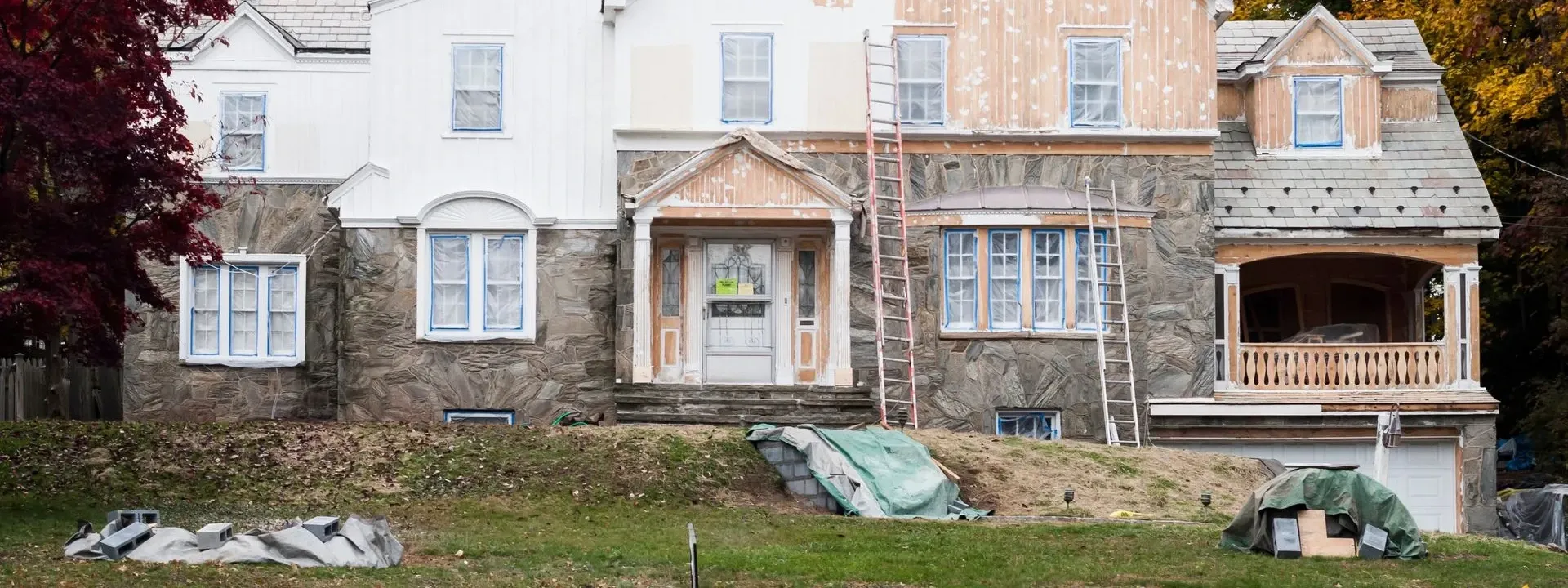
Masonry for homes and businesses
Masonry is the part of a building that's meant to last longest, and in New England it takes a beating. Water gets into the joints, freezes, expands and pushes things apart. Most masonry problems start small, with a cracked joint, a loose brick or a step that rocks, and get bigger every winter they're left.
Chimneys
Cracked joints, loose bricks and damaged masonry on chimneys repaired and repointed, before water gets any further in.
Steps and stoops
Cracked, loose or crumbling front steps and stoops repaired or rebuilt, so they're solid underfoot again.
Retaining and garden walls
Walls that hold back a slope and walls that edge a garden, built new or put right.
Patios and walkways
Brick and stone patios and walkways laid or reset, so they're level and even to walk on.
Brick and stone repair
Damaged bricks and stones replaced and cracks repaired, matched as closely as possible to what's already there.
Repointing
Worn mortar raked out and replaced, which keeps water out of a wall and holds it together.
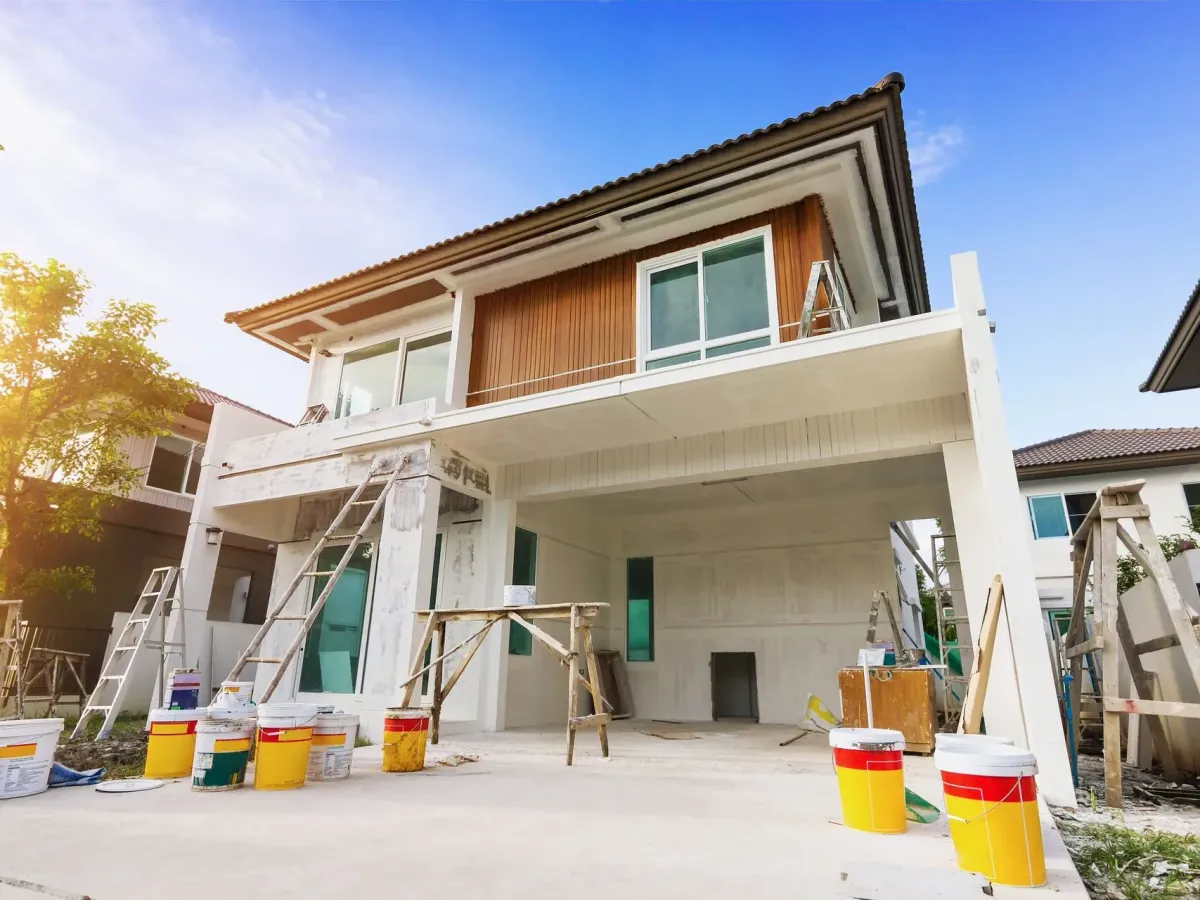
What repointing is, and when a wall needs it
Mortar is the soft part of a brick wall, on purpose. It's meant to wear before the bricks do, so over the years the joints erode, crack or fall out, and water starts getting in behind the face of the wall.
Repointing means raking out the old mortar to a sound depth and packing the joints with new mortar that suits the wall. That matters most on old brick, where mortar that's harder than the bricks can damage them. Done well, it's hard to tell from the original once it has weathered in.
Signs it's due:
- Crumbling joints: mortar you can scrape out with a key or a screwdriver.
- Gaps: joints worn back from the face of the brick, or missing altogether.
- Loose bricks: bricks that move when you push them, or have already come out.
- Damp inside: damp patches on the inside of a wall or chimney can mean water is getting in through the joints.
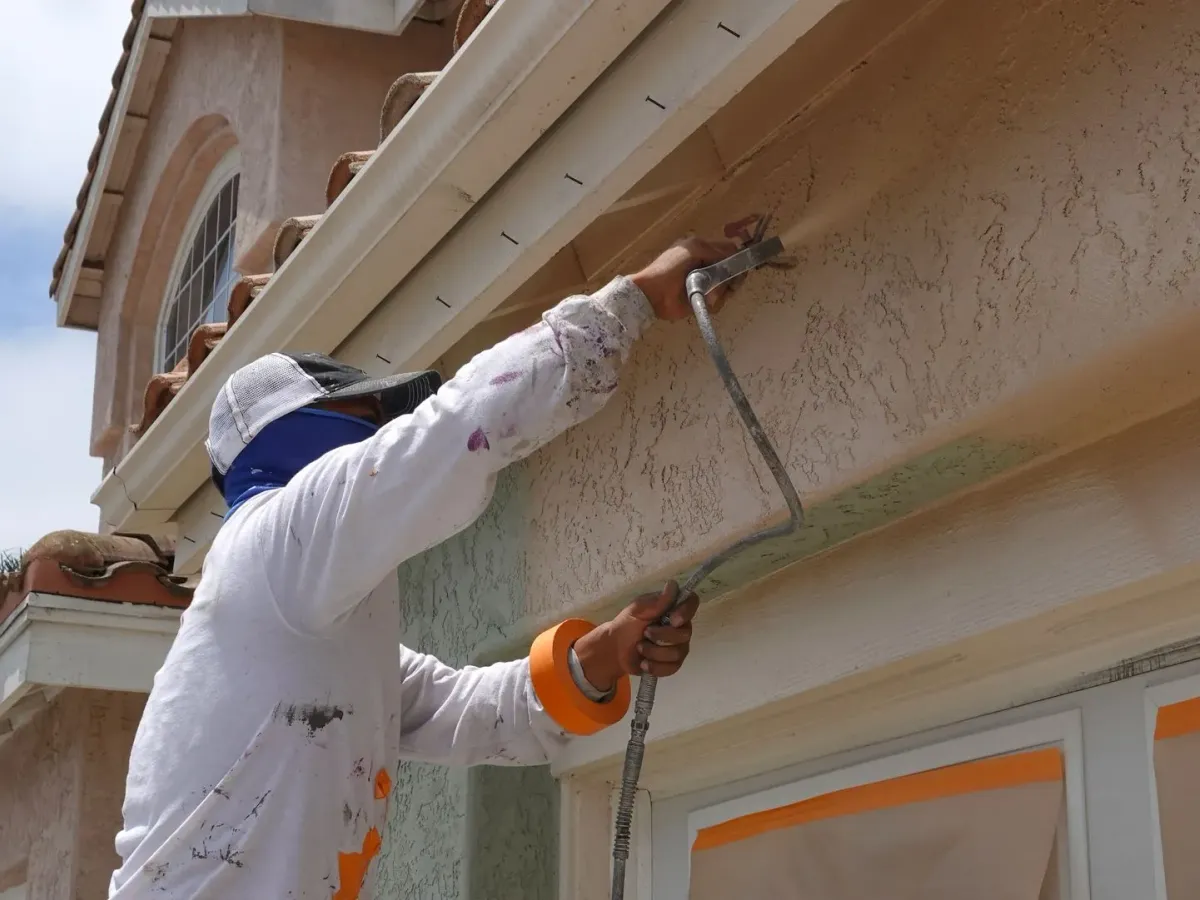
Why it helps to have one crew for masonry and paint
Masonry repairs and painting often go together. Chimney and step repairs are the kind of thing you want finished before a house is painted, and a new wall, walkway or set of steps often comes with railings, trim or a porch that needs painting to match.
With one crew there's one schedule and one person responsible for all of it. Jorge plans the order of the work, so the masonry is done and has cured before the painting starts, and you're not coordinating two contractors.
It's the same for businesses: the steps, walkways and walls on a commercial property can be repaired and the building painted as one planned job. The painting side is on Exterior Painting.
What to tell Jorge when you call
Masonry is hard to price from a description alone, so Jorge will usually want to come and see it. You can make that first conversation quicker by having a few things ready:
- What and where: the chimney, the front steps, the wall along the driveway.
- What's wrong: cracks, loose or missing bricks, crumbling mortar, a lean, water getting in.
- Rough size: how long or high the wall is, how many steps, roughly how big the patio or walkway is.
- Timing: whether it's urgent, like a loose step, or can wait for the right weather.
Mortar needs weather above freezing to cure properly, so outdoor masonry is planned around the season. A job you spot in winter can still be looked at and priced, then done when the weather allows.
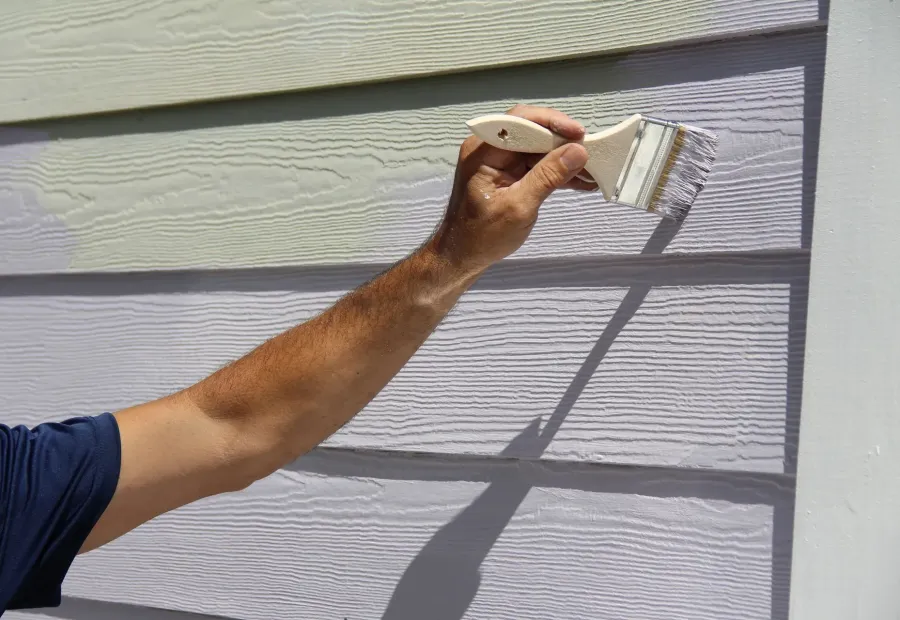
Exterior Painting
Scraping, wood repair and pressure washing, then brush or spray application — including weathered, coastal surfaces.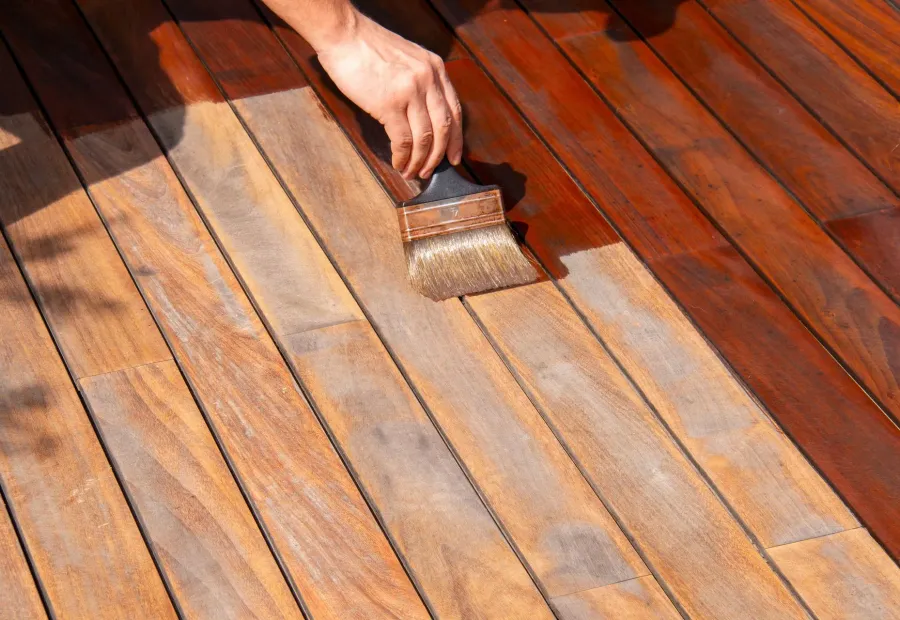
Deck Staining & Sealing
Decks, porches and pergolas power washed, then stained and sealed so the wood is protected for the seasons ahead.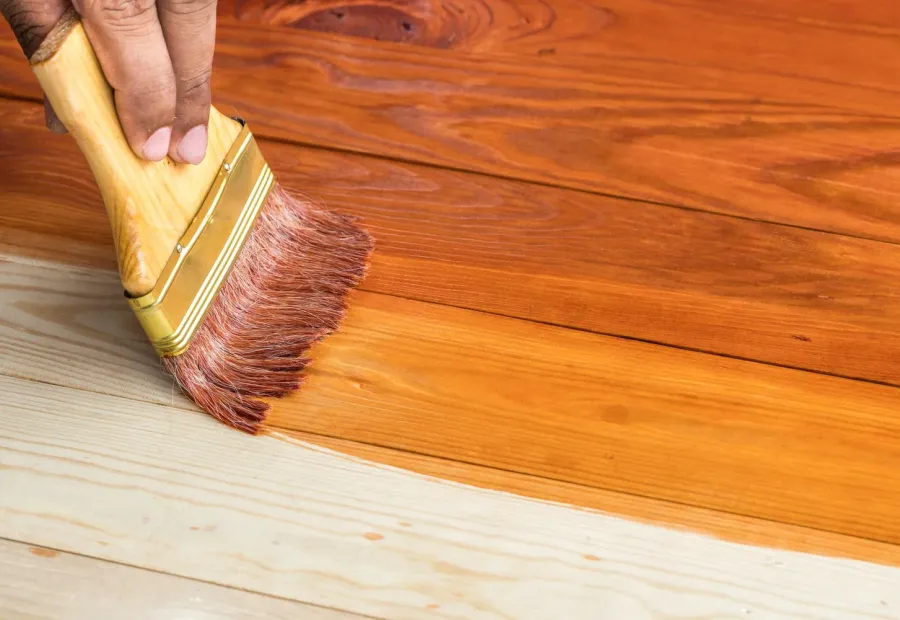
Flooring
All types of flooring, inside and out: hardwood sanding and refinishing, laminate, and porch, patio and deck surfaces.
Tell Jorge about the masonry
A few details are enough to start. Jorge will get back to you about the next step: a quick look at the job if it needs one, then a price and a date.
- Free quotes
- Homes and businesses
- New Bedford and across MA & RI
Frequently Asked Questions
What masonry work do you take on?
Masonry repair, steps, walls, walkways and related brick and concrete work, across New Bedford, the South Coast and Rhode Island. We run masonry as a real trade, not a sideline to the painting, which is why it has its own page. It’s most useful to homeowners on jobs where the two overlap. A front entry where the steps need rebuilding and the house needs painting gets done by one contractor on one schedule instead of two.
The mortar in my brick is crumbling. What causes that, and can it be repaired?
Crumbling mortar, the sandy receding joints you see all over older New Bedford brick, usually comes from age, water getting in and freeze thaw cycles. Once the joints start to recede they hold more water, it freezes, and the damage speeds up. Repointing means cutting out the bad mortar and replacing it. The part that matters is matching the new mortar to the old. Hard modern mortar on soft old brick will damage the brick itself, and that’s a much bigger problem than the one you started with.
Can you repair concrete steps and walkways damaged by winter?
Yes, and it’s some of the most common work we get called for. Freeze thaw cycles plus road salt break concrete down from the surface in, so you get spalling, cracking and steps that start to tip. Whether a set of steps can be repaired or needs rebuilding comes down to how deep the damage goes and whether the base underneath is still solid. Jorge will look at it and tell you which one you’re dealing with instead of reaching for the bigger job.
Should I paint my brick or concrete, and what holds up?
It depends on the masonry and what you want long term. Painting brick is close to a one way decision, because getting it back off later is difficult and can damage the face of the brick. There’s also the breathing question. Masonry needs to let moisture out, and the wrong coating traps it, so the trouble ends up behind the paint where you can’t see it. Masonry paint exists for that reason. Since we do both trades, we can tell you what your wall will take.
Can masonry work be done in winter on the South Coast?
Some of it. Mortar and concrete cure through a chemical reaction, and that reaction more or less stops once it gets cold enough, so cold weather masonry needs heat and protection or it needs to wait. Small interior and sheltered repairs are often doable. Full repointing or new steps generally aren’t a December job in Massachusetts or Rhode Island. If you’ve got a masonry problem over the winter, call anyway. We’ll tell you whether it needs doing now or is better off waiting for spring.
Got something that needs painting?
Call Jorge and tell him what you have in mind. You'll get a straight answer on what the job needs and when he can do it.